







Search Results for: Panamanian Gesha
Ethiopia Gesha Village vs. Panama Geisha: A Full Analysis of Variety Origins, Flavor Differences, and Brewing Comparison
Geisha coffee has won over countless coffee lovers with its floral aromas and fruity notes, but you may not know that although the Geisha from Gesha Village in Ethiopia and the Geisha from Hacienda La Esmeralda in Panama share the same name, their flavors are quite different. This article begins with the historical migration of the Geisha variety, tracing its complete journey from the forests of Ethiopia to Kenya, Costa Rica, and finally to Panama, where it rose to fame, and compares the differences between the Red Label from Gesha Village in Ethiopia and the Red Label from Hacienda La Esmeralda in Panama in terms of origin, variety, processing method, and cupping performance. Front Street Coffee will also share a medium-light roast approach and Hario V60 brewing parameters, helping you understand why these two Geishas each have their own strengths, and how genetic differences create such distinctly different flavor directions. [more…]
A Complete Guide to Panamanian Coffee Varieties: From Citrus Blossoms to the Legend of Geisha and Regional Flavors
Panamanian coffee is renowned worldwide for its balanced acidity and sweetness, smooth mouthfeel, and layered aromas, with the Geisha variety—known for its distinct citrus notes and bright floral and fruity flavors—being especially sought after. In recent years, this Geisha craze has not only driven international auction prices higher but also prompted producing regions to introduce and cultivate it. This article will guide you through the history of coffee cultivation in Panama, the terroir characteristics of its main producing regions, and the grading and flavor differences of the Geisha variety. Whether you are a beginner just getting into specialty coffee or an experienced enthusiast seeking an elevated experience, you will find practical references for purchasing Panamanian coffee beans, including recommendations for Front Street Coffee's high-value and top-estate Geisha products. [more…]
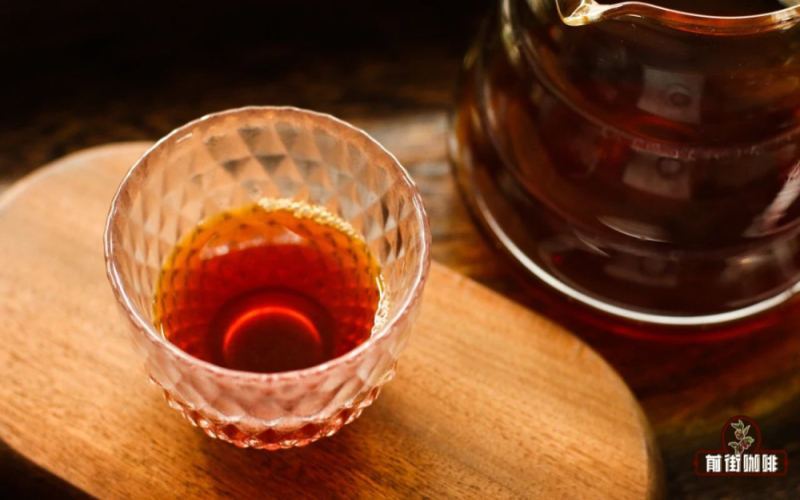
Gesha Village Red Label Natural Gori Gesha Flavor Analysis: Front Street Coffee Pour-Over Parameters and Brewing Recipe
The status of Geisha coffee in the specialty coffee world needs no elaboration, and Ethiopia's Gesha Village Estate and Panama's Hacienda La Esmeralda are two benchmarks. Front Street Coffee this time takes Gesha Village Red Label Natural Gori Gesha as an example, sorting out the estate's background and internal grading system, and comparing the green bean appearance and flavor differences between Ethiopian and Panamanian Red Label Geisha. The article also records in detail the pour-over recipe designed by Front Street for the harder bean quality of Geisha, including grind size, coffee-to-water ratio, water temperature, and the three-stage pouring rhythm, helping enthusiasts more fully present Geisha's floral and fruity aromas and honeyed sweetness. [more…]
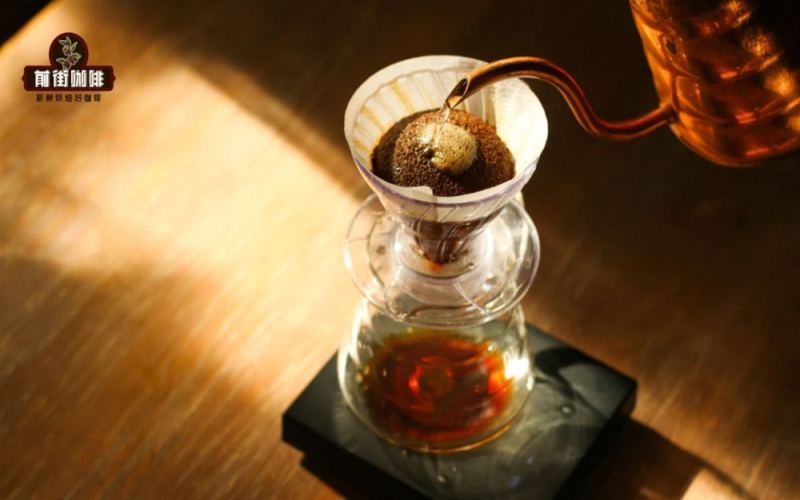
Gesha Village Gold Label Geisha Pour-Over Guide: A Full Breakdown of Grind Size, Water Temperature, and Extraction Time
Geisha Village's Gold Label Geisha has always been a treasure coveted by coffee lovers, but do you know exactly how it differs from Hacienda La Esmeralda's Red Label? This article starts with the "label color" confusion that Front Street baristas are often asked about, systematically sorting out Geisha Village's geographical background, the varietal origin and grade classification of Gold Label Geisha, and includes the brewing parameters for the Gold Label Geisha from the Oma plot that Front Street purchased—including grind size, water temperature, coffee-to-water ratio, and the three-pour rhythm—to help you steadily extract the complete flavor of this rare bean. [more…]
A Complete Analysis of Geisha Coffee Bean Producing Regions: From Ethiopian Origins to the Flavor Differences of Panama Hacienda La Esmeralda's Red, Green, and Blue Label Grades
Geisha coffee journeyed from the primitive forests of Ethiopia to the world stage, and it was Panama's Hacienda La Esmeralda that made it famous overnight. Today, Ethiopia, Costa Rica, and Panama all cultivate Geisha, but their flavor expressions each have their own strengths. How exactly do Hacienda La Esmeralda's Red Label, Green Label, and Blue Label differ? This article will systematically organize the core knowledge of Geisha coffee, from origin distribution, variety genetics, and altitude grading to flavor characteristics, and include Front Street Coffee's brewing suggestions, taking you through a comprehensive understanding of this highly sought-after specialty coffee. [more…]
A Detailed Analysis of Gesha Village Gold Label Geisha: From Grade Markings to the Flavor Origins of Variety 1931
In the world of specialty coffee, Gesha Village's "Gold Label" often leaves enthusiasts both longing and confused—what exactly is the difference between it and Hacienda La Esmeralda's Red Label? And why is Gesha Village able to produce such expensive coffee? This article will begin with the Chinese-language context of "label" naming, sorting out the English product names and grading logic behind labels such as Gold Label, Red Label, and Green Label, then take a deeper look at Gesha Village's geographical location, growing conditions, and variety selection history, and break down in detail the variety origin, plot management, and cupping performance of Gold Label Gesha. Finally, Front Street Coffee will share a complete brewing recipe for a Gold Label Gesha to help you extract the rich layers of this rare treasure at home. [more…]
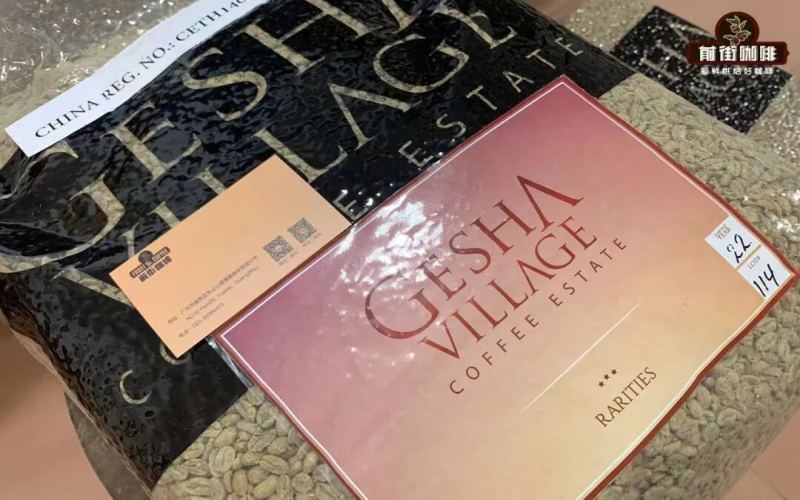
Ethiopian Geisha Coffee | What is the origin of Gesha Village? How does Gesha Village grade Geisha coffee? What are the characteristics of different grades of Geisha?
In the past, when some friends who wanted to taste Geisha coffee came to Front Street Coffee and ordered Geisha, the baristas at Front Street would carefully ask, "Do you mean Ethiopian Geisha or Panamanian Geisha?" Everyone would be confused about the difference between these two Geishas. Nowadays, the name of Panamanian Geisha [more…]

What is the price tier of Panama Hacienda La Esmeralda Red Label Geisha coffee beans? An analysis of Geisha flavor, taste, and grading system
Geisha coffee is often regarded as the pinnacle of specialty coffee, especially the Red Label, Green Label, and Blue Label lots produced by Panama's Hacienda La Esmeralda, whose prices and flavors attract much attention. From the perspective of Front Street Coffee, this article systematically reviews the history of Geisha's spread, the differences between Ethiopian and Panamanian Geisha, the grading methods of Gesha Village, and the three major plots of Hacienda La Esmeralda along with the Red Label, Green Label, and Blue Label tier system, and analyzes the reasons behind Geisha coffee's high price. The article also retains product information and brewing suggestions for Front Street's Emerald Red Label, Green Label, and Blue Label Geisha, making it suitable reading for coffee enthusiasts who want to gain a deeper understanding of Geisha's grades and flavor. [more…]
Tracing the Origins of the Geisha Coffee Variety: Flavor Differences and Genetic Lineage Between Ethiopian Native Gesha and Panamanian Geisha
Although Geisha coffee originated in Ethiopia, it rose to world fame in Panama. What many people do not know is that the Geisha grown in Central America today and the native Geisha of Ethiopia are actually two different varieties, a fact hinted at by the difference in spelling between Gesha and Geisha. Through comparison, Front Street Coffee found that Panamanian Geisha is known for its refined fruit acidity, floral aroma, and tea-like body, while native Ethiopian Gesha presents notes of citrus, almond, and tea, with slightly less complexity. This article traces Geisha's century-long journey from being collected in the Kaffa forest to achieving fame in Panama, sorts out the genetic relationship between T2722 and Gesha1931, and introduces the flavor characteristics of the Ethiopian Gesha Village and Panamanian Hacienda La Esmeralda series Geisha coffee beans currently sold by Front Street Coffee. [more…]
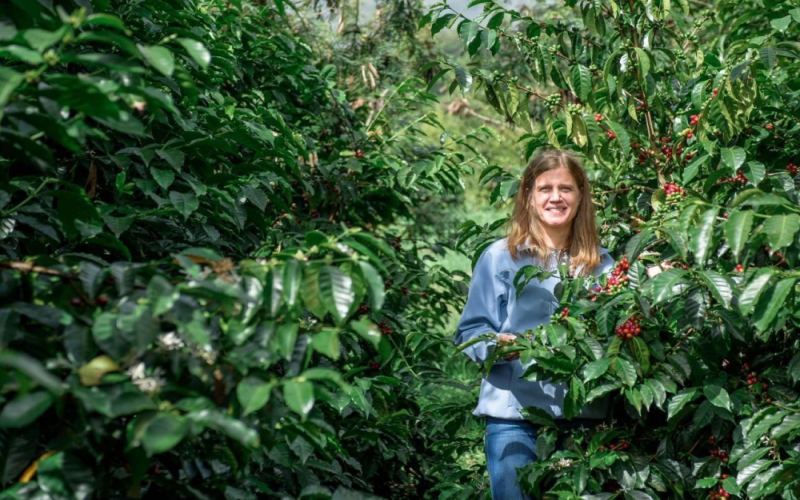
A Comprehensive Analysis of Geisha Coffee Origins and Varieties: From Ethiopian Beginnings to Panamanian Fame
Geisha is one of the most sought-after coffee varieties in the world today. From the wild forests of Ethiopia to the high-altitude estates of Panama, it has won over countless coffee lovers with its distinctive floral aromatics and complex fruit notes. This article will take you through the discovery and spread of Geisha, explore its demanding growing conditions, and offer an in-depth comparison of the flavor differences between the two representative producing regions, Panama and Ethiopia. We will also introduce Hacienda La Esmeralda's plot management system, the grading system of Gesha Village, and Front Street Coffee's recommended Geisha brewing parameters and flavor descriptions, providing a comprehensive reference for your Geisha tasting journey. [more…]
How Much Does Geisha Coffee Cost? The Origins, Flavor, and Aroma of the Authentic Geisha Variety Explained
Geisha coffee is also known in China as "艺伎咖啡" (Geisha coffee), and is a member of the Ethiopian strain within the Arabica family, originally from Africa. Although it originated in Ethiopia, it rose to fame in Panama. Interestingly, the Geisha grown today in Panama and Central and South America is actually a different variety from the native Geisha of Ethiopia. Through comparison, Front Street Coffee has found that the two differ noticeably in flavor expression. This article will take you through the history of Geisha's discovery, analyze the varietal relationship between the two major producing regions, and introduce in detail the various Geisha coffee beans currently sold by Front Street Coffee along with their flavor characteristics, providing coffee lovers with a complete guide to Geisha knowledge. [more…]

Panama Hacienda La Esmeralda Green-Tip Geisha Quality Analysis: From BOP Champion Flavor to Front Street Coffee Brewing Suggestions
Every year during green coffee competition season, the coffee world enjoys a wave of excitement, and the Best of Panama (BOP) is undoubtedly the stage that Geisha lovers watch most closely. Geisha was discovered in the forests of Ethiopia, then made its way to Costa Rica's CATIE where it was labeled T2722, and later blossomed in Panama—all after a long period of obscurity. In 2004, Hacienda La Esmeralda won the BOP championship with Geisha and set a new auction record, turning this variety into the center of everyone's attention. Panamanian Geisha is mainly the green-tip variety, with outstanding green bean grades and flavor performance far surpassing other producing regions. Front Street Coffee's bean list brings together Geisha from Ethiopia, Costa Rica, Colombia, and Panama, with Panamanian estates including Hacienda La Esmeralda and Finca Deborah. This article will take you through the variety's history, the terroir of its producing regions, and the specific brewing parameters for Front Street Coffee's Deborah Savage series, giving you a comprehensive understanding of the charm of Panamanian Geisha. [more…]
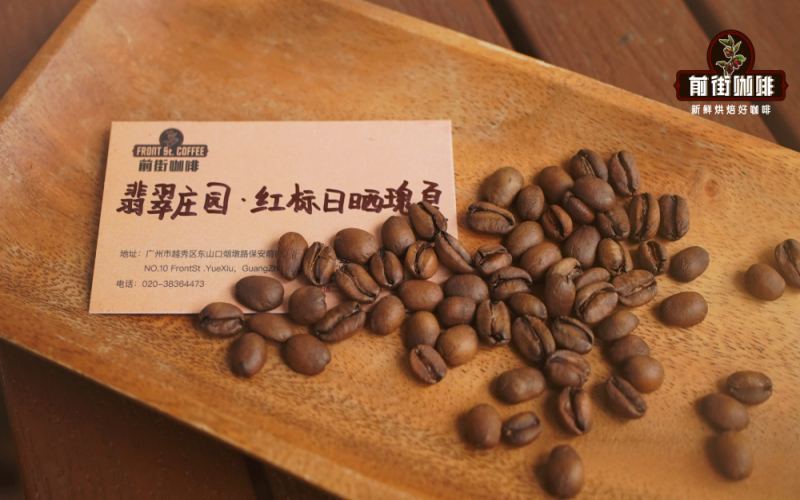
Analysis of the Flavor Characteristics of Panama Geisha Coffee: From the Hacienda La Esmeralda Brand Legend to the Geisha Village Grading System
Geisha coffee enjoys a stellar reputation in the specialty coffee world, known for its high price and exceptional quality. This article traces the origin and spread of the Geisha variety, from the Gori Gesha forest in Ethiopia to the rise of Hacienda La Esmeralda in Panama, and provides a detailed analysis of its stunning debut at the 2004 BOP competition. It also introduces the grading system of Gesha Village Estate (Gold Label, Red Label, Green Label, and Chaka series) as well as the three major tier classifications of Hacienda La Esmeralda (Blue Label, Green Label, and Red Label). Through comparative tasting, Front Street Coffee reveals the truth that Ethiopian Gesha Village and Panamanian Geisha, despite sharing the same name, are actually different varieties, and describes the flavor layers of Front Street Geisha coffee from dry aroma to mouthfeel. [more…]
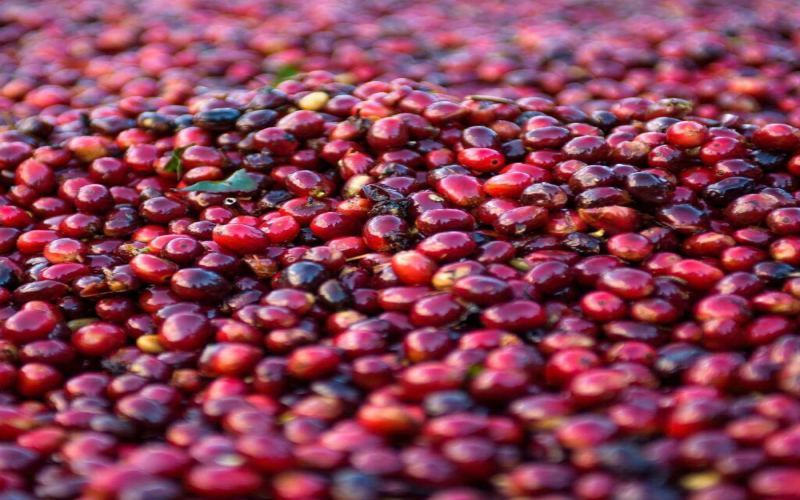
A Comprehensive Analysis of the Origins, Hacienda La Esmeralda Grading System, and Flavor Characteristics of the Geisha Coffee Variety
Geisha coffee is regarded as a legendary variety in the specialty coffee world. From the primordial forests of Ethiopia to the international auction stage in Panama, it has traveled a winding and remarkable path of dissemination. This article systematically sorts through Geisha's varietal origins, spread, and important estates, explains in detail the respective grading systems of Hacienda La Esmeralda and Geisha Village, and provides an in-depth analysis of Geisha coffee's typical flavor expression in dry aroma, wet aroma, and mouthfeel. Front Street Coffee, drawing on years of cupping and green bean comparison experience, will also share professional observations on the differences between Ethiopian Geisha and Panamanian Geisha, offering coffee lovers a complete guide to understanding the Geisha variety. [more…]
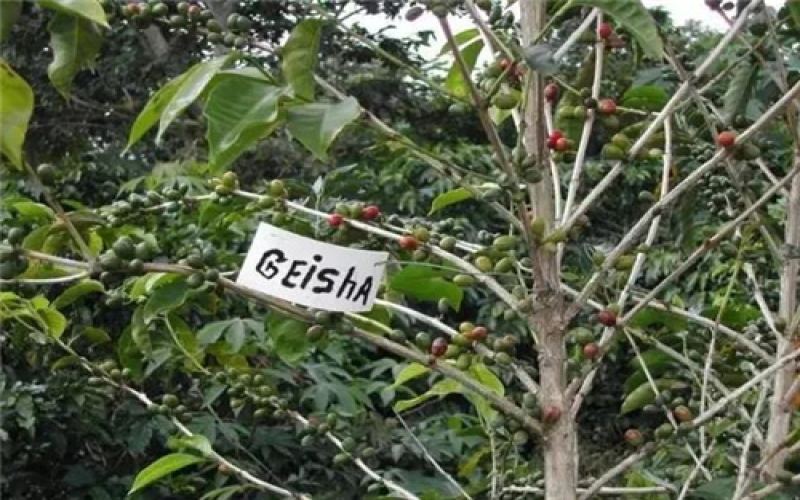
Panama Geisha Coffee Bean Variety Traceability and Market Price Analysis: From Hacienda La Esmeralda Grading to Front Street Brewing Recommendations
Geisha coffee beans are hailed as one of the most valuable coffee varieties in the world, yet many people are unclear about what variety it actually belongs to, where it originates, and why its price remains so high. This article will systematically sort out the varietal origins of Geisha, tracing its introduction from Ethiopia's Geisha Mountain to Panama's Hacienda La Esmeralda, analyze the classification logic and flavor differences of the three lots—Red Label, Green Label, and Blue Label—and take a deep dive into the four major reasons why Panama Geisha coffee beans are so expensive. At the same time, the article also retains Front Street Coffee's roasting approach for Geisha, V60 brewing parameters, and recommendations for high-value everyday drinking beans, providing coffee lovers with a complete reference from understanding to hands-on practice. [more…]
Analysis of the Chaka Lot from Ethiopia's Gesha Village Estate: The Origins and Characteristics of a High-Value Gesha Blend
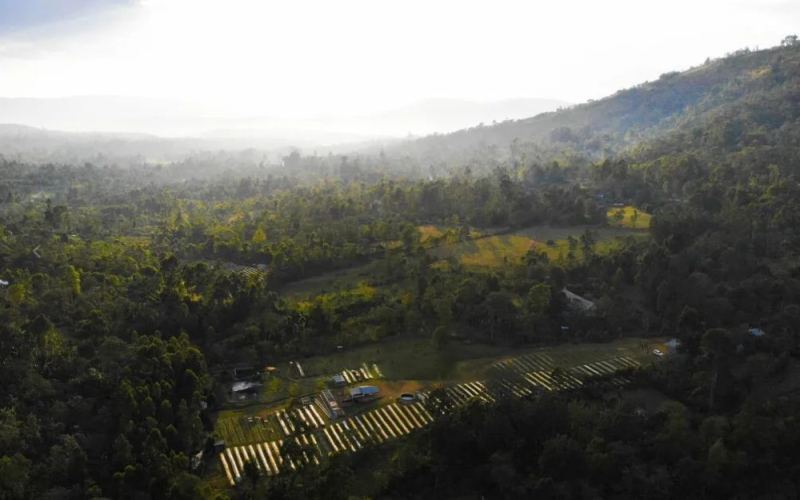
Ethiopia is the birthplace of coffee, and coffee is also an important source of foreign exchange for the country. More than 4 million farmers nationwide grow coffee using forest coffee and garden coffee models, with only about 10% being estates. Among the many estates, the Gesha Village Coffee Estate in the Bench Maji region is the most well-known. It covers 500 hectares and has its own processing plant and laboratory, mainly cultivating and exporting the Geisha variety. Drawing on the grading system of famous Panamanian estates, the estate divides its coffee into five lots:競標 (Auction), Gold, Red, Green, and Chaka. Among them, the Chaka lot is known for its high cost-effectiveness and stable, large-volume supply. It is a Geisha blend launched by Gesha Village, mixing three varieties: Geisha 1931, Gori Gesha, and Illubabor 1974, accounting for 70% of the annual production. Front Street Coffee will also guide you through the unique charm of this lot. [more…]
Ethiopia Gesha Village Washed Heirloom Gesha Coffee Flavor Analysis: A Complete Overview of Lot#94 and the Grading System
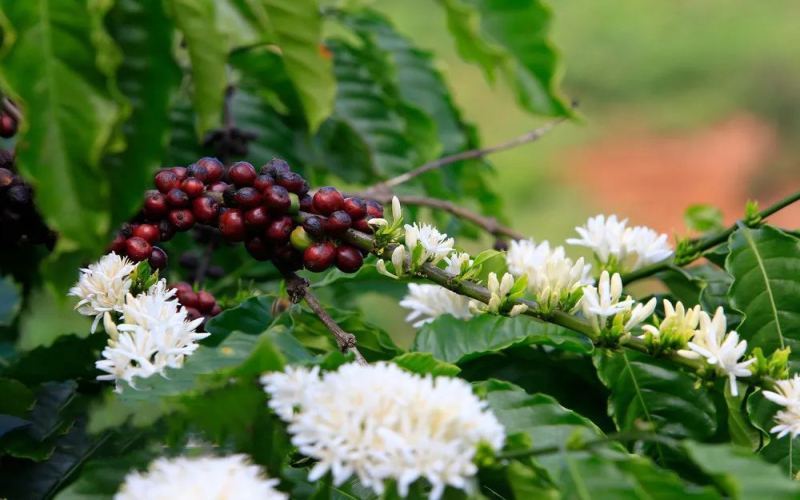
Since Geisha stunned the world in Panama in 2004, it has remained at the pinnacle of specialty coffee. But tracing its roots, Geisha's genetics actually come from the primitive forests of Ethiopia. This article takes you back to Geisha's birthplace—the Gesha Village Estate in the Bench Maji region—to learn how this large estate recovered the original Geisha variety from the Gori Gesha forest and established a grading system of Auction, Gold, Red, Green, and CHAKA lots. The article also presents flavor descriptions of several Gesha Village lots from Front Street Coffee, along with recommended pour-over parameters for CHAKA, making it suitable reading for coffee lovers who want to gain a deeper understanding of the flavor differences among Ethiopian Geishas. [more…]
A Horizontal Tasting of Six Panamanian and Ethiopian Geishas: From Hacienda La Esmeralda to Gesha Village, with a Side Note on Drip Bag Brewing Details
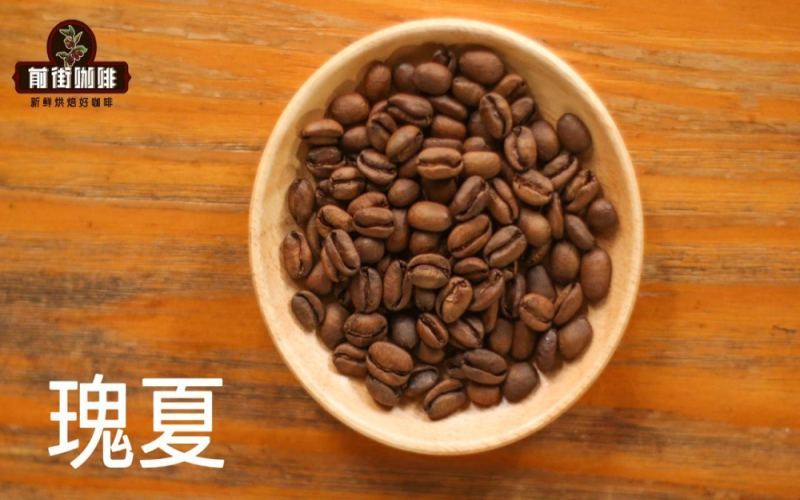
Geisha coffee is an unavoidable topic in the specialty coffee world, and when it comes up, most people first think of Panama. However, as the specialty coffee industry has evolved, Ethiopia—Geisha's birthplace—has also produced excellent estates, and Gesha Village Coffee Estate is one of the standout representatives. This article walks you through the development trajectories, plot classifications, and flavor differences of Panama's Hacienda La Esmeralda and Ethiopia's Gesha Village Coffee Estate, and offers worthwhile Geisha picks under the Front Street Coffee brand. In addition, the article includes a practical brewing guide for drip bag coffee, explaining everything from water temperature and pouring to the rhythm of blooming, so you can consistently recreate a cup of layered, complex Geisha at home. [more…]
Ethiopia Gesha Village Red Label Geisha: Origin Story, Variety Characteristics, and Brewing Analysis
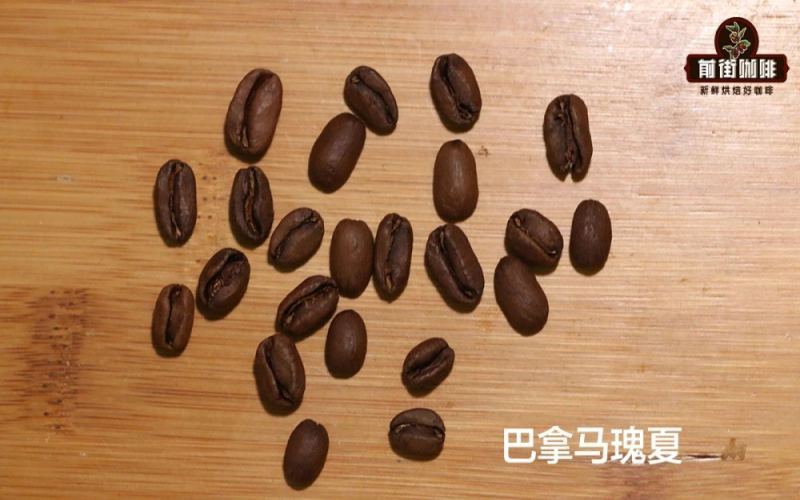
Geisha coffee made Panama famous worldwide, yet the origin of it all traces back to the primitive forests of Ethiopia. Located in the Bench Maji region, Gesha Village Coffee Estate was founded by documentary filmmaker Adam Overton and his photographer wife Rachel Samuel, who collected seeds from wild Geisha forests and ultimately built this 500-hectare large farm planted exclusively with the Geisha variety. The estate divides its land into 8 blocks, selecting the most suitable variety for each based on microclimate differences. The Red Label Geisha produced here undergoes natural processing, featuring prominent sweetness. Front Street Coffee will this time provide a detailed interpretation centered on the historical origins of Gesha Village Coffee Estate, the differences among its three main varieties, and Front Street's Red Label Geisha roasting and brewing scheme. [more…]
Ethiopian Gesha Village Coffee Flavor Analysis: A Complete Overview of Variety Origins, Production Areas and Plots, and the Grading System
When people talk about Geisha, most think first of Panama. However, the roots of this legendary variety lie in Ethiopia. Front Street Coffee takes you through the history of Geisha's spread, from the discovery of the Geisha forest in 1931 to the establishment of the Gesha Village Estate in the Bench Maji region. This article will provide a detailed analysis of the three coffee varieties at Gesha Village—Gori Gesha, Gesha 1931, and Illubabor Forest 1974—and introduce the terroir characteristics and coffee flavors of the estate's eight farms one by one. In addition, Gesha Village's strict grading system of Auction, Gold, Red, Green, and Chaka lots will also be presented, helping coffee enthusiasts gain a comprehensive understanding of the unique charm of Ethiopian Geisha. [more…]